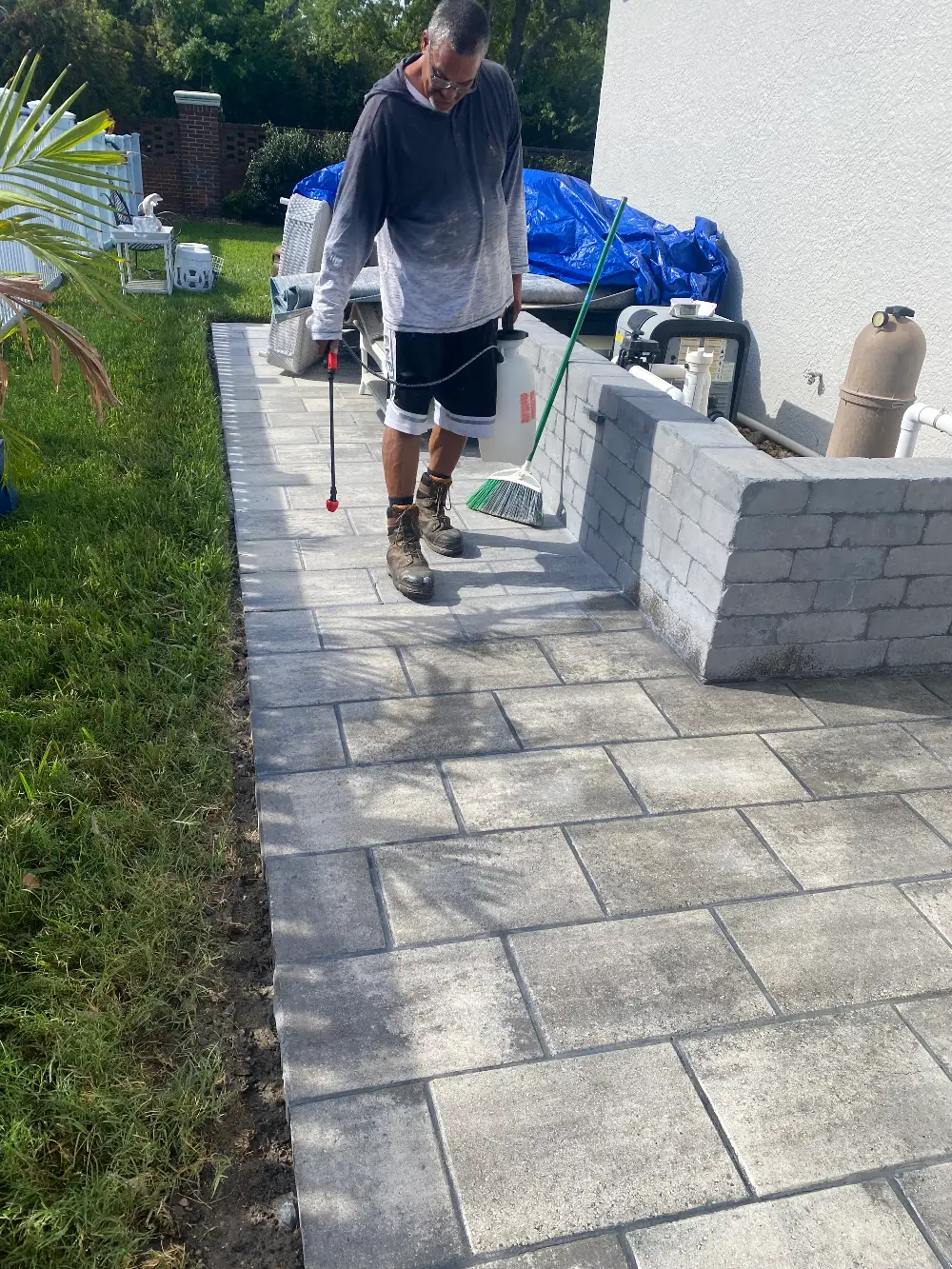
Are you seeking to refresh your property's look? Go2 Pro Cintron Pressure Washing LLC provides professional paver and sealer cleaning services to enhance the aesthetics of your home or business. Our team specializes in using high-pressure water to remove dirt, grime, and stains from various surfaces, including pavers and sealers. Whether you aim to boost curb appeal or uphold cleanliness, our skilled services guarantee exceptional outcomes. Reach out to us today to discover how our paver and sealer cleaning services can elevate your property.
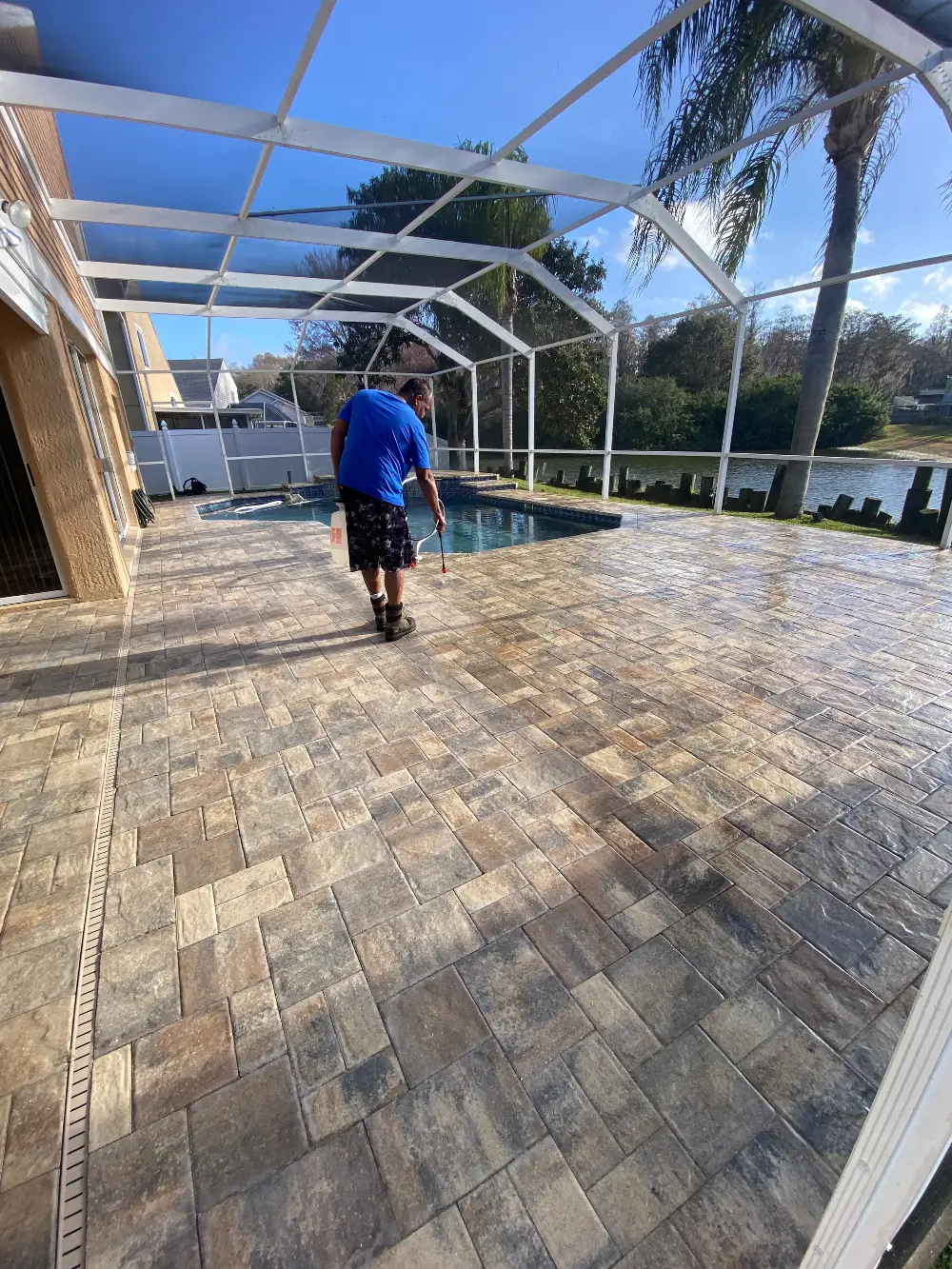
When it's time to revitalize your pavers, sealers, and coatings in New Port Richey, trust Go2 Pro Cintron Pressure Washing LLC. Our skilled team is fully prepared and equipped to handle all aspects of pressure washing services for pavers, sealers, and coatings. Contact us today to schedule your appointment and experience our unwavering commitment to delivering exceptional service and outstanding results for your outdoor surfaces.
Ethen A.
Edwin's hard work has transformed my driveway and sidewalks into a thing of beauty. I'm truly inspired by the difference he has made.
Karen S..
Very satisfied with the work that was done for me. I would definitely hire him again and my daughter wants to hire him also. Very professional and a very pleasant company. 5 big stars for this company!!! I highly recommend them!
Sunny C.
Good group of guys on time. Good service good prices. Will use services again on my properties.
Luis O.
Very responsible company and excellent work, I recommend them 100x100.
Felipe R.
Edwin showed up on time and did an amazing work cleaning my driveway.
Dona M.
Edwin showed up on time to pressure wash my driveway. What a fantastic job and I did not recognize my house. If you're thinking of pressure washing, please call Edwin he won't disappoint. Blessings to him and his business.
Thomas H.
Could not be happier with choosing this company. Very responsive message responded to promptly. Showed up exactly on time, put plenty of effort into accomplishing the project for the best possible outcome.
Wojak M.
Edwin did a phenomenal job. He was respectful, hardworking, and he was FAST. It took him about 5 hours to punch out the sidewalk, patio, and entire driveway. Looks brand new.
Tan M.
Go2 Pro did a great job on my driveway, sidewalk, and front patio area. Definitely recommended.
Julissa R.
I love this! Great job cleaning. Everything looks so new and clean! Definitely worth every penny. They did a wonderful job.
Pedro C.
I highly suggest this family-owned pressure washer company. They are professional, responsible, and reliable. Great prices! Check them out!
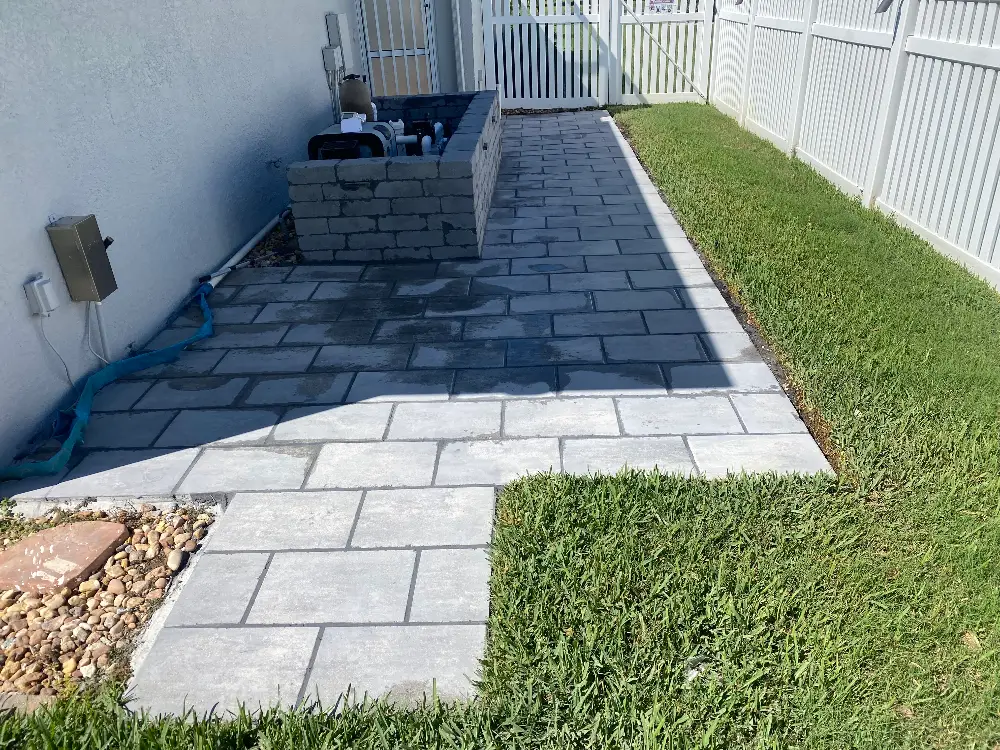
Is your outdoor space looking worn-out and lackluster? Bid farewell to the built-up dirt and stains on your pavers and sealers with Go2 Pro Cintron Pressure Washing LLC. Our team specializes in professional pressure washing services tailored to breathe fresh vitality into your property. Equipped with top-notch expertise and cutting-edge equipment, we effectively eliminate stubborn grime and stains from pavers, sealers, and coatings. Our mission is to invigorate your property's allure, boost curb appeal, and impart a revitalized aesthetic that leaves a lasting impact. Ready to elevate your property's appearance? Reach out to us today to schedule your appointment and witness the transformative power of our pressure washing services.
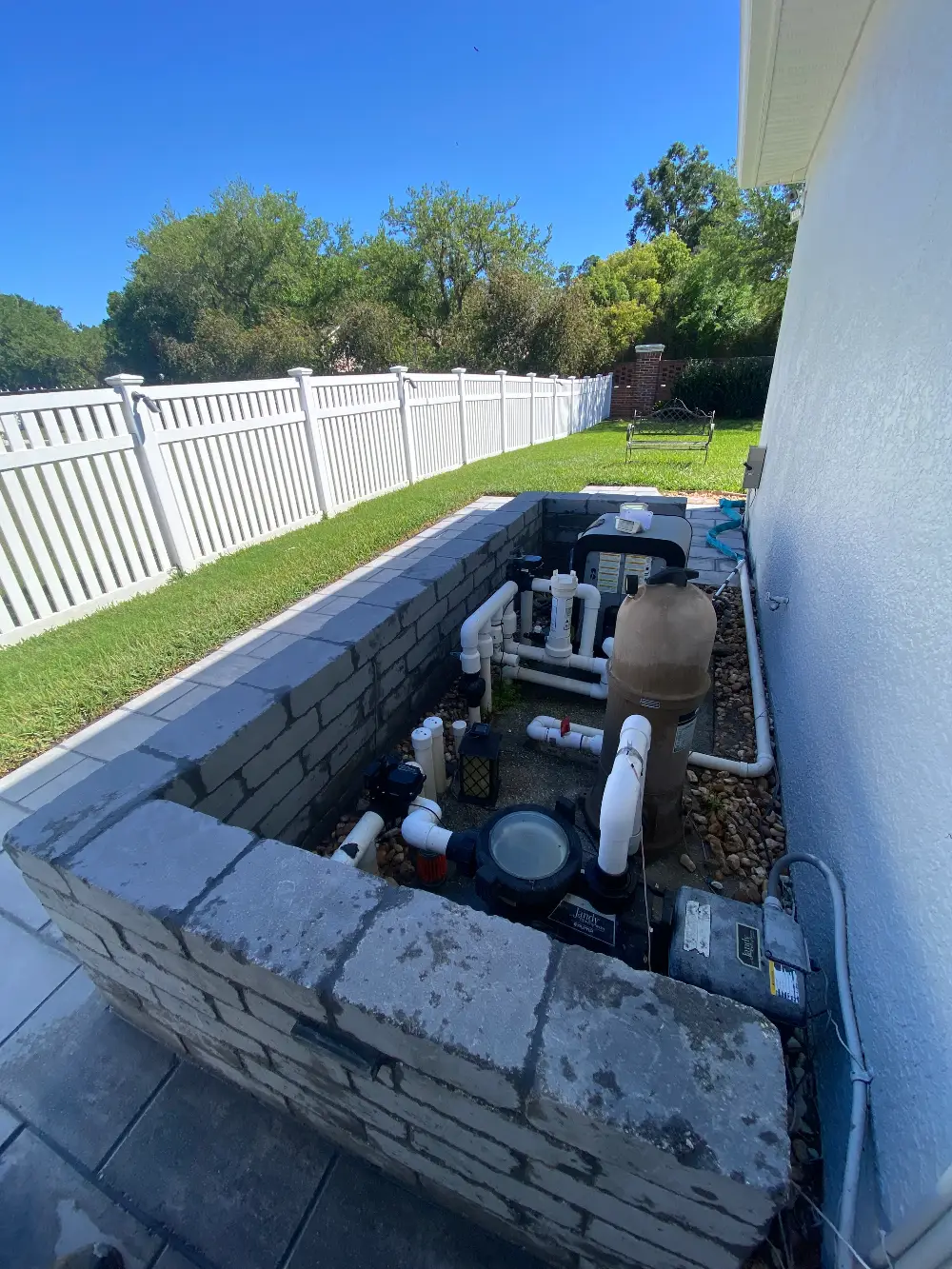
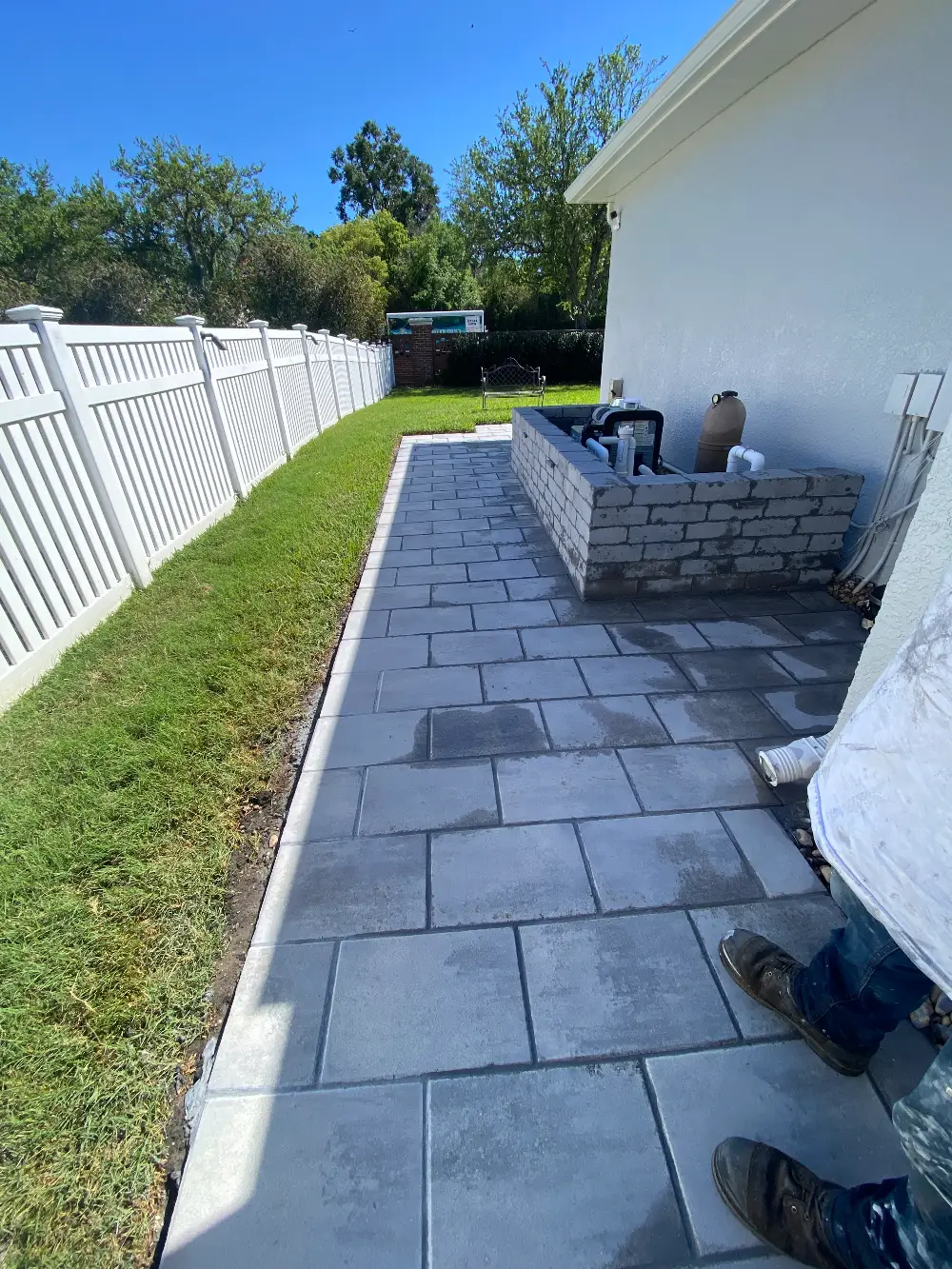
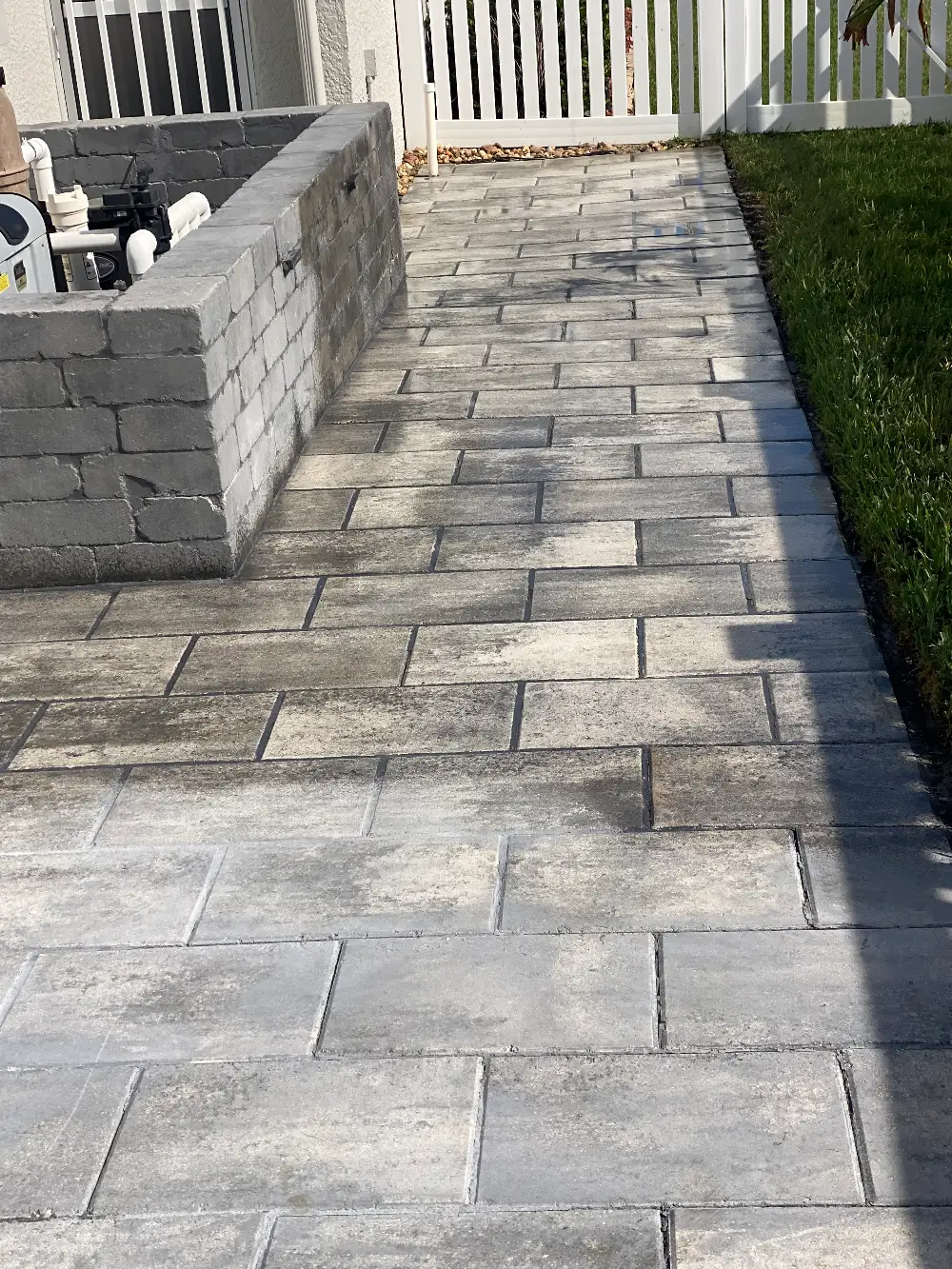
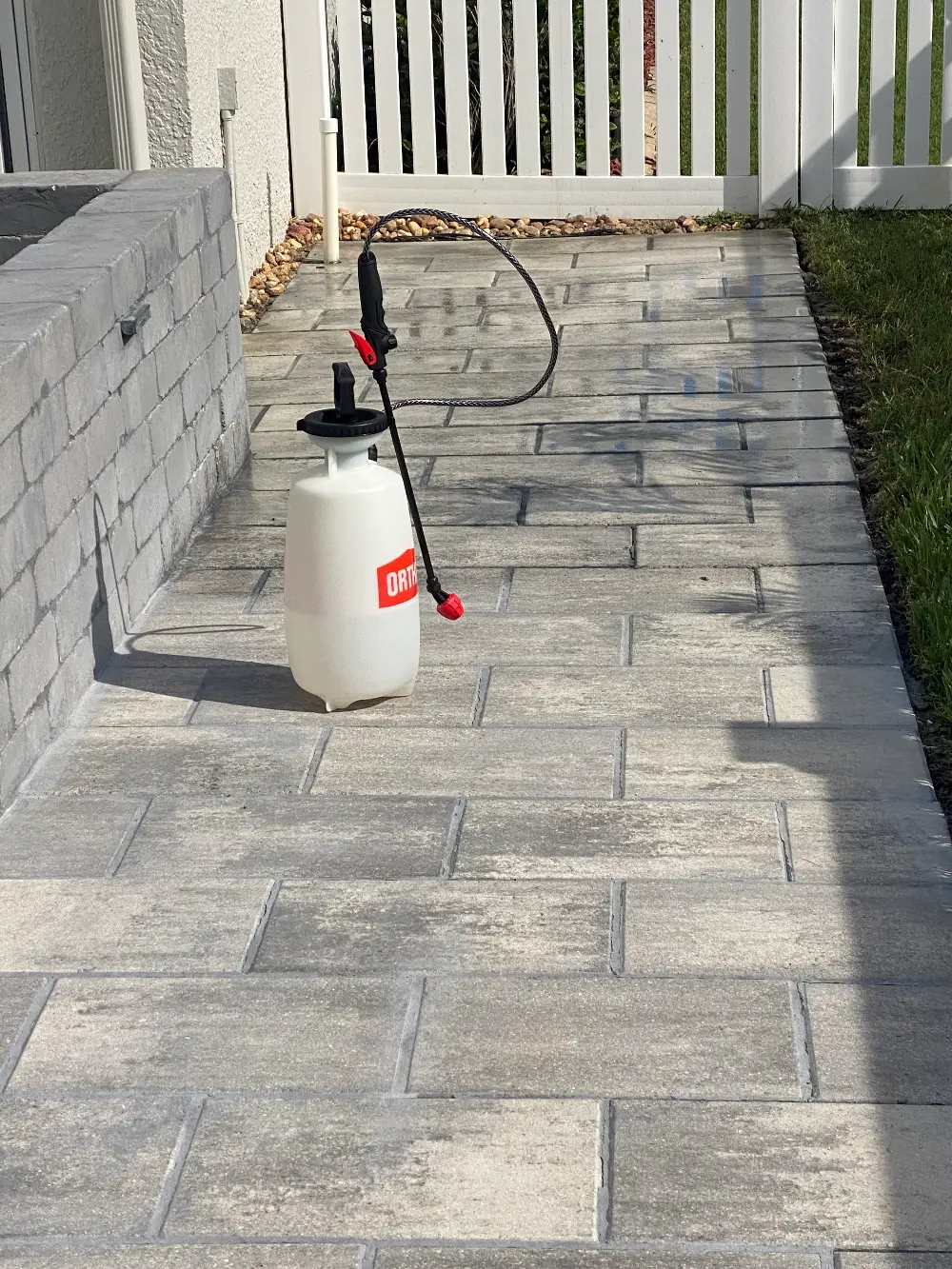
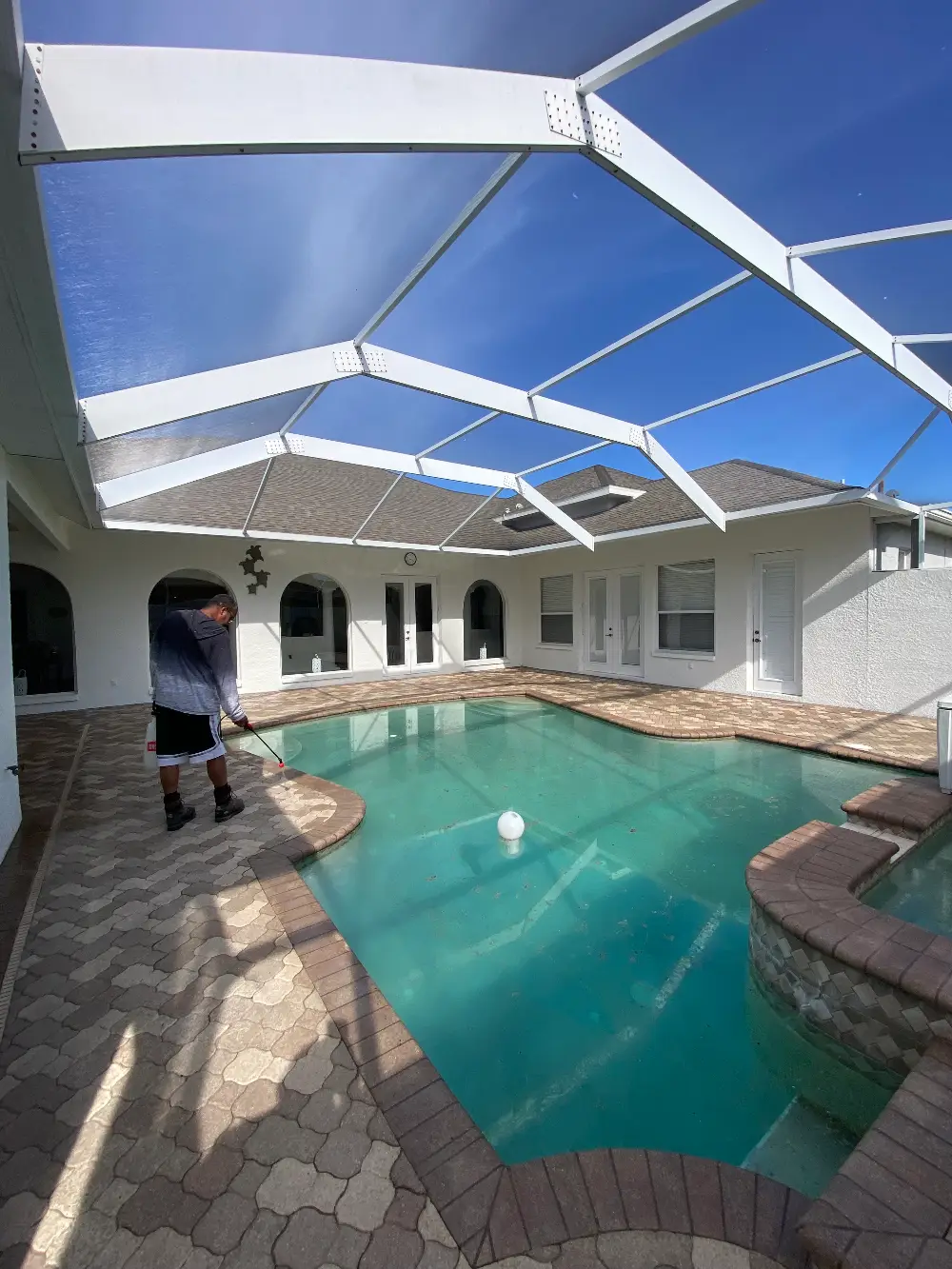
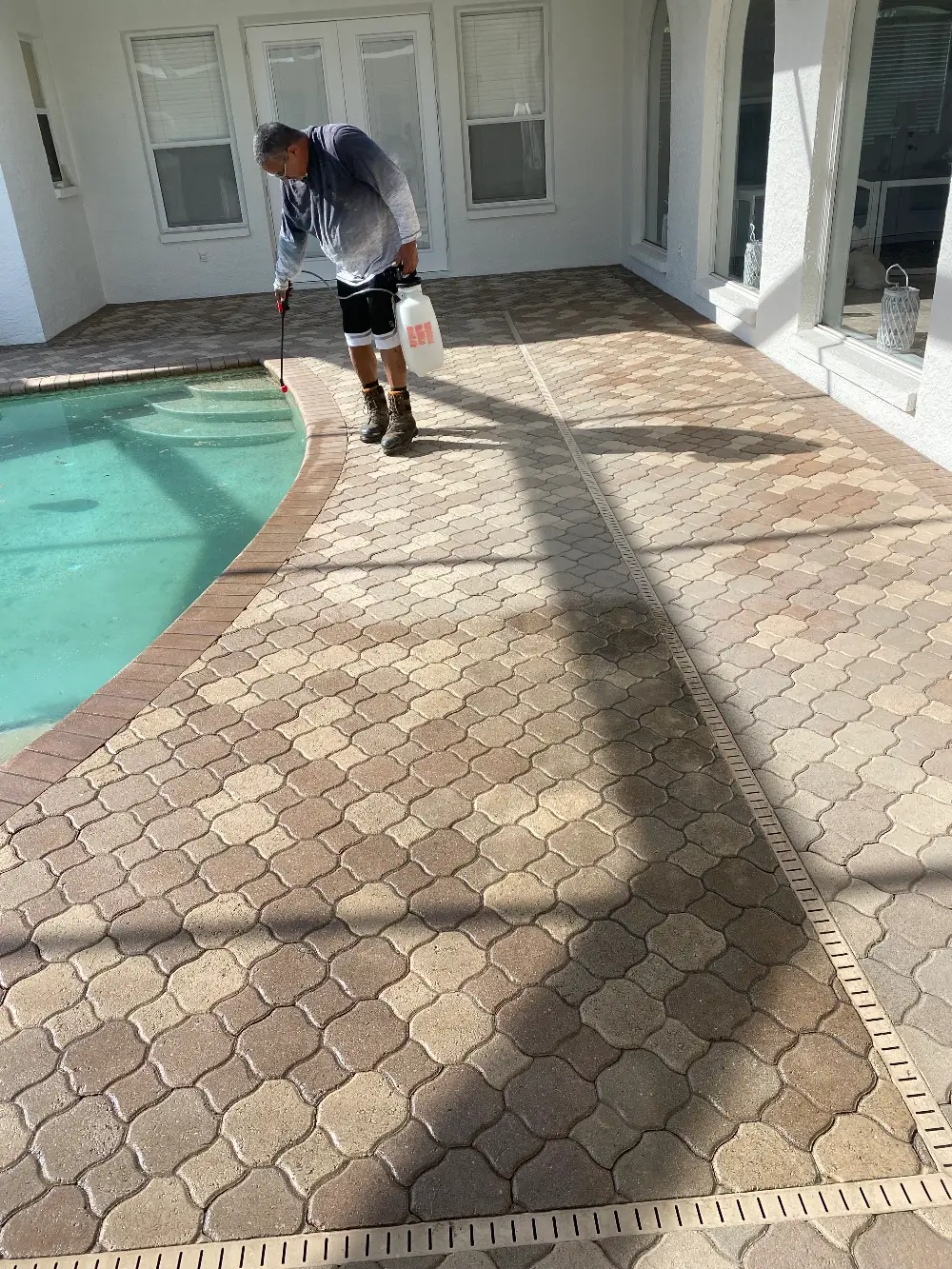
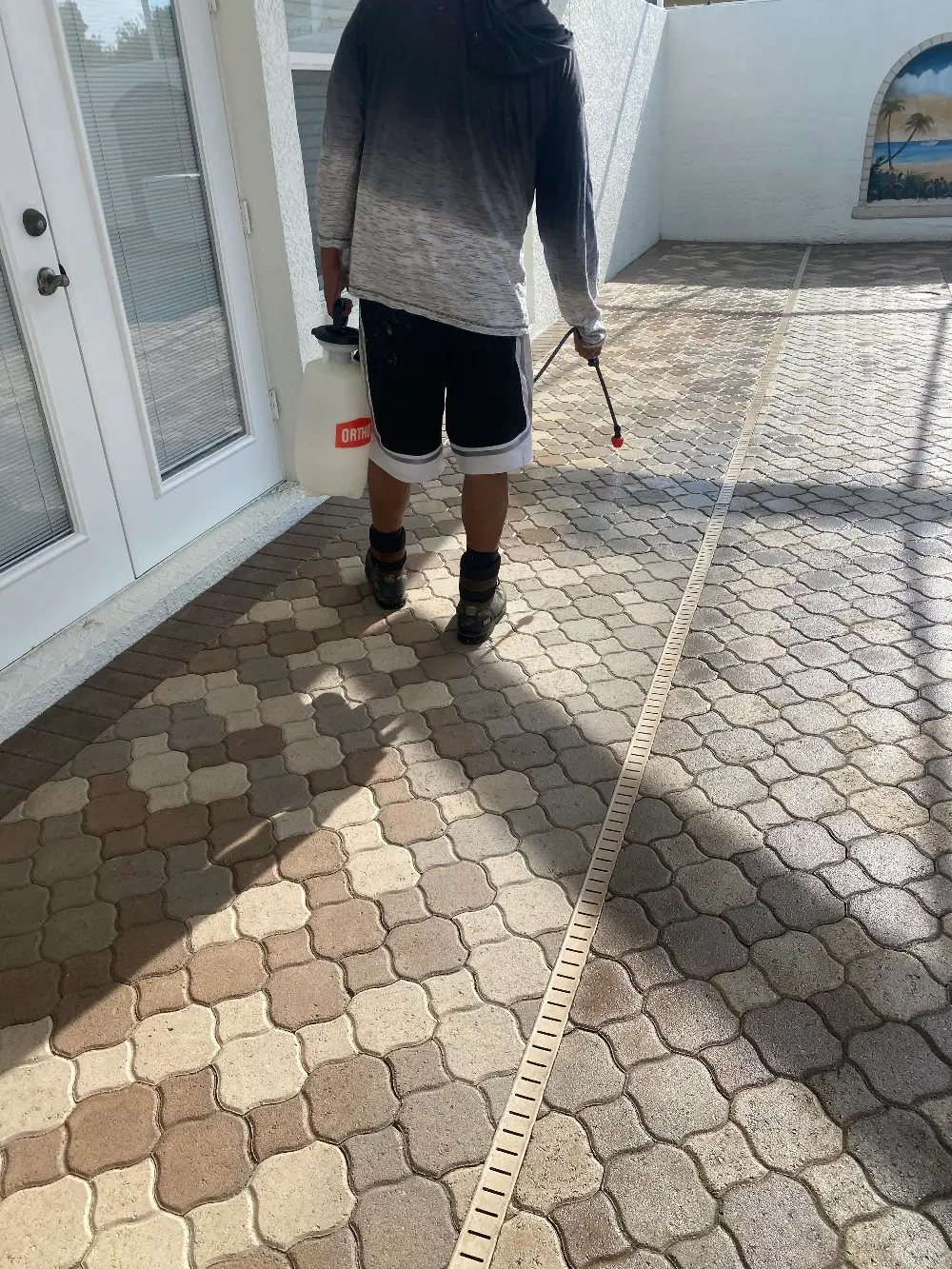
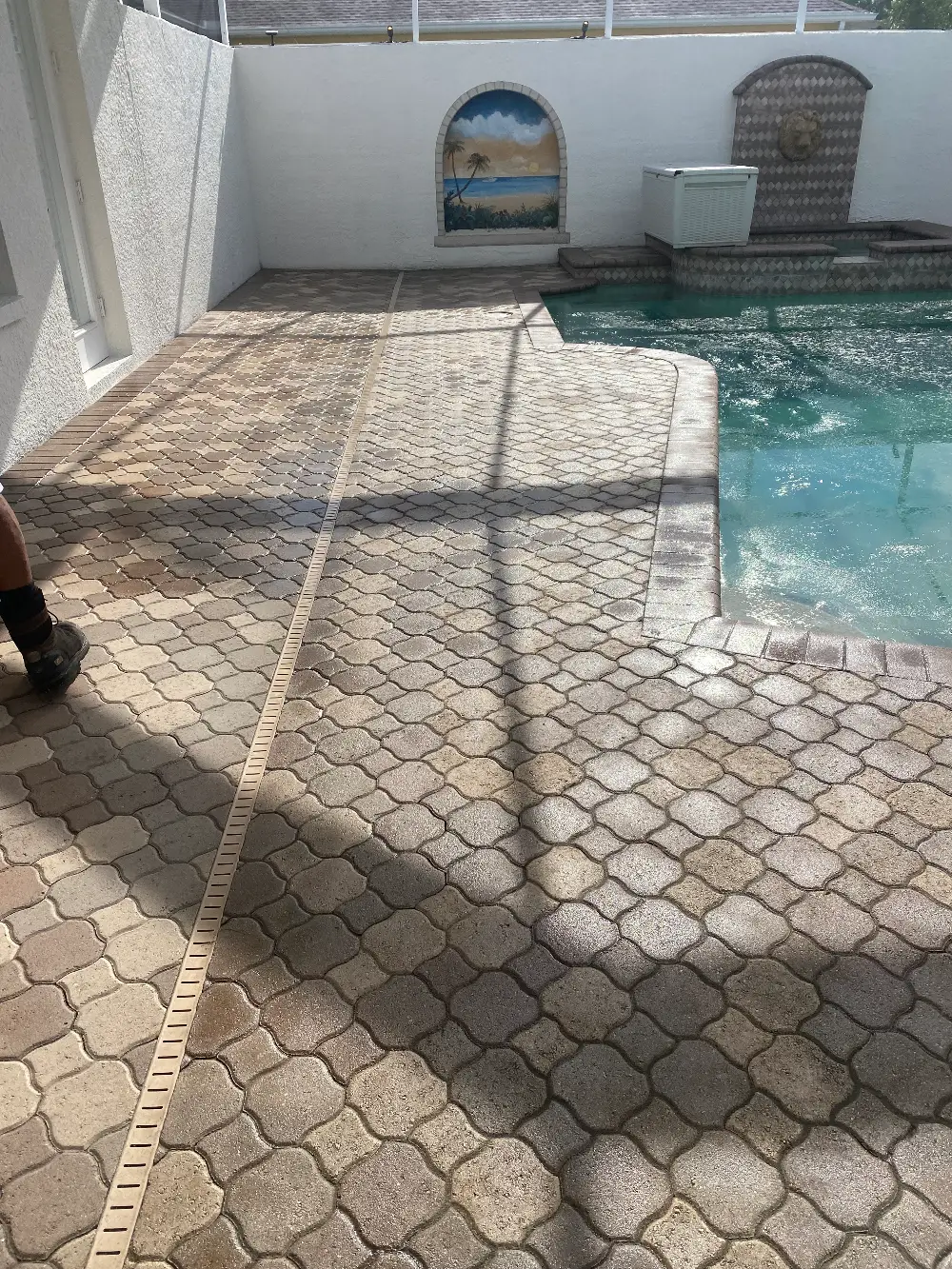
Opting for professional paver and sealer pressure washing services in New Port Richey ensures thorough cleaning and protects the integrity of your surfaces. DIY methods may lack the specialized equipment and techniques needed to effectively remove stubborn stains and preserve the sealant, potentially leading to damage and costly repairs.
Professional paver and sealer pressure washing services in New Port Richey provide superior results compared to DIY methods. Our skilled team utilizes specialized equipment and techniques to effectively remove dirt, algae, and stains without damaging the surface or compromising the sealant. This ensures a longer-lasting finish and enhances the appearance of your outdoor space.
When you choose Go2Pro for paver and sealer pressure washing services in New Port Richey, you're choosing expertise and quality. We utilize advanced equipment and environmentally friendly detergents to ensure thorough cleaning and protect the integrity of your surfaces. Our meticulous approach and attention to detail guarantee exceptional results, leaving your outdoor space looking revitalized and well-maintained.
Property owners in New Port Richey can greatly benefit from Go2Pro's paver and sealer pressure washing services. Our professional cleaning helps maintain the structural integrity of your surfaces by preventing the buildup of dirt, mold, and algae. By preserving the sealant, we extend the lifespan of your pavers and enhance their aesthetic appeal, ultimately adding value to your property.